
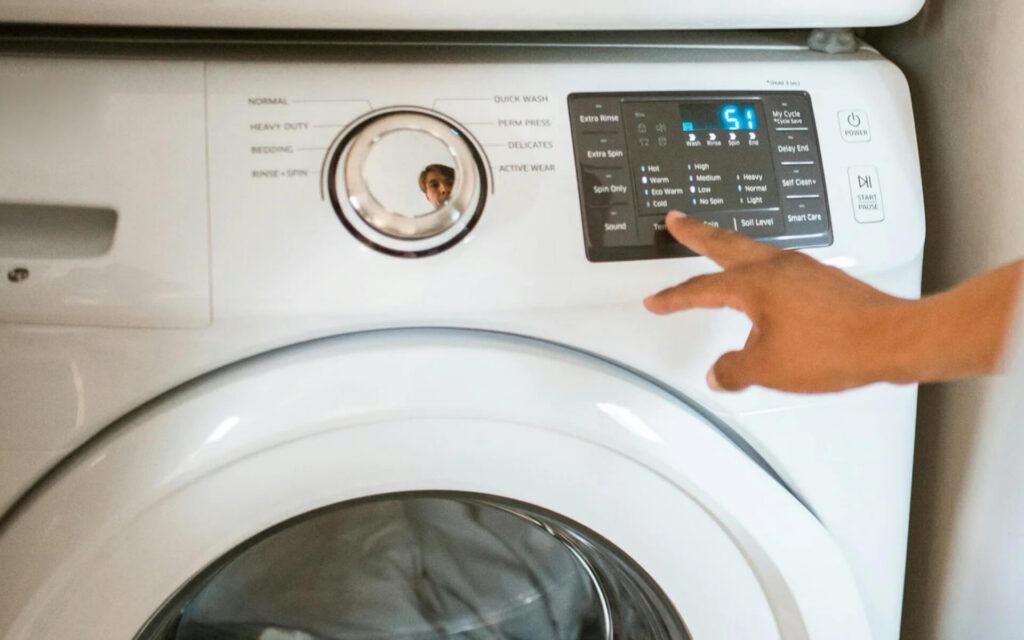
The Most Common Washing Machine Fault (and How to Prevent It): Washer Repair Advice from Austin, Texas
The most common fault I see on washing machines is a drain problem. In my years of doing washer repair in Austin, Texas, it is usually a clogged drain pump or a blocked filter. It almost never shows up as a dramatic breakdown. Instead, customers tell me the machine “just stopped mid-cycle.” They open the lid and find a tub full of soapy water and clothes that are still soaked.
The good news is that this is often one of the quickest and most affordable fixes in the appliance world, especially when it is caught early.
Why Drain Problems Happen So Often
A washing machine moves a lot of water, lint, soap, and small objects through a narrow path every week. The drain pump and filter act as a checkpoint at the end of that path, so anything that does not belong there ends up stuck.
The cause is usually small. I regularly see the same culprits:
- Socks that slipped out of the drum
- Coins and hair ties
- Tissues left in pockets
- Years of lint and detergent buildup
Too much soap is a bigger factor than most people realize. Excess detergent leaves a slimy residue in the hoses and pump. Overloading the drum makes it worse because lint and residue never rinse out properly. That buildup is why many machines start to smell musty before they stop draining.
Early Warning Signs of a Drain Problem
Washing machines usually warn you before they quit. If you notice any of the following, it is time to act:
- A gurgling or humming sound as the machine tries to drain
- Laundry that comes out wetter than usual
- A sour or musty smell from standing water
- Water left in the tub after a cycle ends
- A cycle that stops partway through
When people call us at the first odd sound or smell, the fix is usually quick and affordable. Acting early costs far less than dealing with a flooded laundry room later.
What I Check First When a Washer Won’t Drain
When a customer calls about a washer that won’t drain, I start with the simplest things:
- The drain hose, to look for kinks
- The filter and pump, to look for clogs
- The pump itself, to hear whether it hums, clicks, or stays silent
Most of the time the cause is a blockage, and that repair often costs well under $200. If the pump is silent or the problem goes deeper, we talk about next steps.
Repair or Replace? My Honest Advice
Once I know what is wrong, I look at the age and condition of the machine. Here is how I think about it:
- If the machine is under about 10 years old and the problem is a clog or a pump, repairing it makes sense.
- If it is 12 to 15 years old, or the problem is something bigger like a failing motor, a bad control board, or a leaking tub bearing, replacement is usually the smarter move.
- If the repair costs only a small fraction of a comparable new machine, we fix it.
- If we would be putting real money into an aging machine, I would rather help the customer put that money toward a new one.
Brand matters a little too. Parts for common brands are easier to find and cost less. I always try to give this advice honestly, because earning a customer’s trust matters more to me than any single repair ticket.
Other Common Washing Machine Problems
Drain trouble comes first, but it is not the only issue I get called out for. Here are the other faults I see regularly, along with typical costs.
Leaks
Leaks are usually caused by a worn hose, a loose connection, or a tired door seal. Repairs typically run about $100 to $250.
A Washer That Won’t Spin
A machine that won’t spin often has a worn belt, a faulty lid switch, or a bad motor coupler. These repairs usually cost $150 to $350.
Loud Banging
Banging often comes from an unbalanced load or an unlevel machine. It can also mean worn shock absorbers or suspension rods, which cost about $200 to $400 to repair.
A Door That Won’t Lock
This is usually caused by a faulty latch or lock assembly. Expect to pay around $150 to $300.
Grinding or Rumbling During the Spin
A grinding or rumbling sound during the spin cycle often points to a failing bearing. That is a big repair, and on an older machine it can be the moment to have an honest conversation about replacement.
What You Can Safely Check Yourself
There are a few easy checks any homeowner can do before calling a technician:
- Redistribute a heavy or lopsided load
- Make sure the machine sits level
- Look for a sock or debris caught in the door latch
- Tighten the hose connections at the wall
- Unplug the machine for a few minutes to reset it
What to Leave to a Technician
Please leave anything electrical or internal to a professional. That includes control boards, motors, wiring, and bearings. Never touch a machine with water pooled around it while it is still plugged in. When something feels off, a quick call is almost always cheaper and safer than a do-it-yourself fix that goes sideways.
How to Prevent Washer Problems
Most drain problems start with small habits that add up over time. A few simple routines prevent the majority of service calls I see:
- Check pockets before every load, since coins, tissues, and hair ties cause a lot of trouble.
- Wash bras and small socks in mesh bags.
- Use only the recommended amount of detergent. High-efficiency machines need much less than you would think.
- Avoid overloading the drum.
- Clean the filter every few months if your machine has an accessible one.
- Run an empty hot cycle with a washer cleaner once a month.
- Leave the door or lid open between loads so moisture can escape.
Do Expensive Washers Last Longer?
Here is something most people do not hear: a pricier washing machine with more bells and whistles is not automatically a better one. In my experience, simpler machines with fewer sensors and less fancy electronics tend to last longer and cost less to fix, because there is simply less that can go wrong.
A lot of the problems I see come from care and habits, not from the brand on the front. A well-maintained basic machine will often outlast a neglected high-end one.
I would also suggest reading an extended warranty carefully before you buy it. Many plans exclude the very parts that tend to fail.
The One Thing to Do After Reading This
If you only do one thing, use less detergent and clean your filter or run a cleaning cycle regularly. It costs almost nothing, takes a few minutes, and prevents more service calls than anything else I know.
Need Washer Repair in Austin, Texas?
If your washer is gurgling, draining slowly, smelling sour, or has stopped mid-cycle, do not wait for a flood. Texcen Appliance Repair offers honest, practical washer repair in Austin, Texas. We will tell you whether a repair makes sense or whether it is time to replace the machine. Contact us today, and we will get your laundry day back on track.