
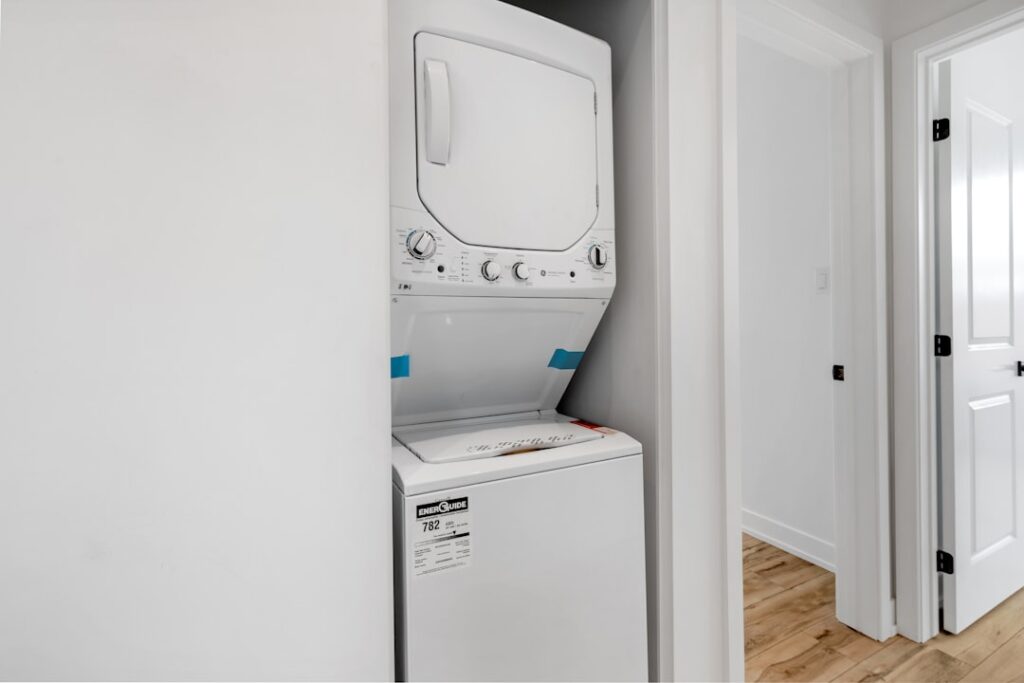
Is your dryer acting up? Don’t panic! Most common dryer problems can be fixed yourself without a costly repair visit. This guide will walk you through the usual suspects and how to get your machine humming again.
This is probably the most common complaint. Your dryer tumbles, but the clothes are still damp, which is a major bummer. Let’s figure out why.
Lint Filter Clogged
This one’s super simple but often overlooked. If your lint filter is jammed with fuzz, it restricts airflow, and not just to the drum. Reduced airflow can prevent the heating element from getting hot enough, or even cause it to shut off as a safety measure.
- Fix: Pull out the lint filter, usually located just inside the dryer door. Remove all the lint. Wipe the filter with a damp cloth to remove any residue. It’s a good idea to do this after every load.
Dryer Vent Blocked
This is a biggie and a fire hazard. If the lint filter is clean, the problem likely lies further down the line in the dryer vent hose or the exterior vent. A blocked vent means hot air can’t escape, and cool air can’t circulate properly.
- Fix:
- Check the flex hose: Disconnect the dryer from the wall outlet. Gently pull the dryer away from the wall. Inspect the flexible vent hose connecting the dryer to the wall. Look for kinks, tears, or excessive lint buildup inside. If it’s damaged, replace it. If it’s just stuffed with lint, carefully clean it out. You can use a vacuum cleaner hose attachment or a long brush.
- Check the exterior vent: Go outside and find where your dryer vents. The cover might be a flap or a grate. Make sure it’s not obstructed by debris, snow, animal nests, or anything else. If it’s a flap, ensure it opens freely when the dryer is on (you might need a helper for this). Clean out any blockages.
- Deep vent cleaning: For a thorough cleaning, consider purchasing a dryer vent cleaning kit. These kits usually include poles that attach together with a brush head, allowing you to reach deep into the vent system.
Heating Element Burned Out (Electric Dryers)
Electric dryers use a heating element that’s essentially a large coil of wire. Over time, this element can overheat and break.
- Fix: This is a DIY repair that requires a bit of technical comfort. You’ll need to access the heating element, which is usually located at the back of the dryer drum housing.
- Safety First: Unplug the dryer from the wall.
- Access: This often involves removing the back panel of the dryer. Consult your dryer’s manual or look up a video for your specific model.
- Inspect: Locate the heating element and examine the coils. If you see any breaks, discoloration, or scorch marks, it needs replacing.
- Replacement: You’ll need to order a replacement heating element specific to your dryer model. Disconnect the old element (usually held in place by screws and wires) and install the new one, making sure all connections are secure.
Thermal Fuse Blown (Electric Dryers)
The thermal fuse is a safety device designed to blow (and thus break the circuit) if the dryer overheats. A clogged vent is the most common reason for this, but the fuse itself can also fail.
- Fix: If you’ve ruled out vent blockages and the heating element, the thermal fuse might be the culprit.
- Location: The thermal fuse is typically located near the heating element or the blower motor.
- Testing: You’ll need a multimeter to test for continuity. If there’s no continuity, the fuse is blown and needs replacing.
- Replacement: Similar to the heating element, you’ll need to purchase the correct fuse for your model and install it.
Gas Valve Solenoids (Gas Dryers)
In gas dryers, the gas valve has solenoids that control the flow of gas to the burner. If these fail, the burner won’t ignite, leading to no heat.
- Fix: This is a more involved repair that typically requires a repair technician. The solenoids are part of the gas valve assembly. If you suspect this is the issue, it’s best to call a professional.
If you’re experiencing issues with your dryer, you might find it helpful to check out the related article on common appliance problems and their solutions. This comprehensive guide offers insights into various troubleshooting techniques that can help you identify and resolve issues efficiently. For more information, visit the article here: Common Problems and Solutions.
Dryer Is Not Tumbling
Your dryer makes noise, but the drum isn’t spinning. This usually points to a mechanical issue.
Drive Belt Broken
The drive belt is a continuous loop that wraps around the drum, motor, and idler pulley, making the drum spin. If this band snaps, the drum stops turning.
- Fix: Replacing a drive belt is a common DIY repair.
- Access: You’ll likely need to remove front or back panels to get to the belt. Again, the manual or online videos are your friends here.
- Inspect: Look for the old belt. If it’s snapped or stretched out, it needs replacing.
- Installation: Route the new belt around the motor pulley and the idler pulley, then loop it over the drum. It can be a bit tricky to get the tension right, but usually, there’s a spring-loaded idler pulley that helps with this.
Motor Coupler Broken
The motor coupler connects the drive motor to the transmission or just the drive shaft directly in some models. It’s designed to break if the motor seizes or there’s too much strain, protecting the motor itself.
- Fix: This is another repair you can often do yourself.
- Access: You’ll need to access the motor, which usually involves removing panels.
- Inspect: The coupler is a small, often plastic, piece that connects two shafts. If it’s cracked or broken into pieces, it needs replacement.
- Replacement: You’ll need to purchase the correct motor coupler for your dryer model. Carefully remove the broken pieces and install the new one, ensuring a snug fit on both shafts.
Idler Pulley Assembly Worn Out
The idler pulley keeps tension on the drive belt. If the pulley itself or its bearing wears out, it can cause the belt to slip or stop the drum from turning altogether.
- Fix:
- Access: Locate the idler pulley assembly, usually found near the motor.
- Inspect: Spin the pulley by hand. If it feels rough, wobbly, or makes a grinding noise, it needs replacing.
- Replacement: The pulley assembly often screws into place. You’ll need to unthread the old one and install the new one, making sure the belt is correctly routed around it.
Motor Failure
While less common than belt or pulley issues, the drive motor itself can fail.
- Fix: If you’ve tested the belt, coupler, and idler pulley and the drum still won’t tumble, the motor might be the problem. This is generally a more complex and expensive repair, often best left to a professional or considered when deciding if a new dryer is more cost-effective.
Dryer Is Making Strange Noises
A noisy dryer can be annoying and a sign of underlying issues. What your dryer is trying to tell you depends on the type of noise.
Scraping or Grinding Noise
This often indicates a worn-out bearing or something rubbing against the drum.
- Possible Causes and Fixes:
- Drum Rollers: Many dryers have rollers that support the drum. If these plastic or rubber rollers wear down, they can cause a scraping or squeaking noise. You’ll need to access the back or bottom of the drum assembly to inspect and replace these.
- Blower Wheel: The blower wheel (part of the motor) can get damaged or have something lodged in it, causing a grinding sound. Accessing and inspecting the blower wheel requires disassembling the dryer’s blower housing.
- Something in the Drum: While rare, a stray coin, button, or small object could get lodged between the drum and the housing, causing a scraping noise. You might be able to find and remove it by carefully spinning the drum and listening.
Squealing or High-Pitched Whining
This is frequently a sign of a worn-out idler pulley bearing or a motor bearing going bad.
- Fix:
- Idler Pulley: As mentioned earlier, a worn idler pulley can cause squealing. Inspect and replace the idler pulley assembly if needed.
- Motor Bearings: If the idler pulley is fine, the motor bearings might be the issue. Replacing motor bearings is usually part of replacing the entire motor, which can be a significant repair.
Loud Thumping or Banging
This could mean the drum rollers are damaged, or there’s an imbalance in the drum.
- Fix:
- Drum Rollers: Worn or damaged drum rollers can cause the drum to hit the housing, creating a thumping sound. Inspect and replace them.
- Imbalance: If you’re drying a very large, heavy item (like a comforter) alone, it can cause the drum to become unbalanced, leading to thumping. Try adding a few towels to distribute the weight more evenly. This isn’t a mechanical failure, but it’s worth noting.
Sure, here is the sentence with the clickable link:
Texcen Appliance Repair Map Location is the best place to find reliable appliance repair services.
Dryer Is Not Drying Clothes Effectively
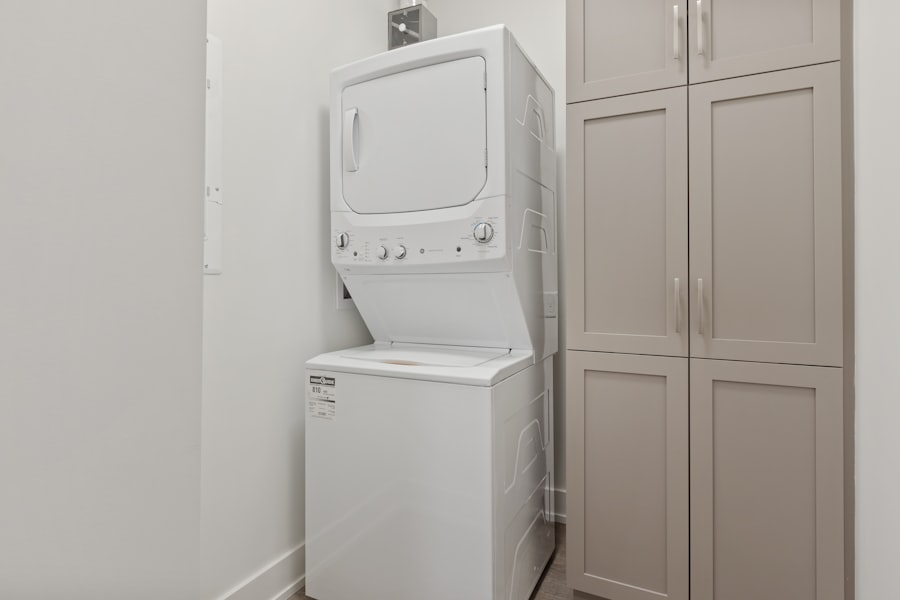
Your dryer runs, but the clothes are still damp or take too long to dry. This is often related to airflow problems, similar to issues causing a lack of heat.
Lint Filter Not Cleaned Regularly
Yes, this is worth repeating! A clogged lint filter is the number one culprit for poor drying.
- Fix: Clean it after every single load.
Dryer Vent Blockage
Again, this is critical for proper drying. Reduced airflow means hot air can’t effectively remove moisture.
- Fix: Thoroughly clean your dryer vent hose and exterior vent, as described in the “Dryer Is Not Heating” section.
Dryer Too Full
| Problem | Possible Cause | Solution |
|---|---|---|
| Dryer not turning on | Power issue, faulty door switch | Check power supply, replace door switch |
| No heat | Broken heating element, faulty thermostat | Replace heating element, thermostat |
| Loud noises | Worn out drum rollers, damaged belt | Replace drum rollers, belt |
| Not drying clothes properly | Clogged vent, malfunctioning moisture sensor | Clean vent, replace moisture sensor |
Overloading the dryer prevents clothes from tumbling freely and allows air to circulate effectively.
- Fix: Dry smaller loads. Clothes need space to move around so hot air can reach all surfaces.
Incorrect Dryer Setting
Sometimes, it’s just user error.
- Fix: Ensure you’re using the appropriate setting for the type of fabric you’re drying. Permanent press or delicate settings often provide less heat and shorter drying times. If you’re using an automatic dryness sensor, ensure it’s clean and functioning correctly.
Heating Element Issue (Electric Dryers)
If the dryer is not heating effectively, it won’t dry clothes effectively.
- Fix: Refer back to the “Dryer Is Not Heating” section for troubleshooting the heating element.
Gas Supply Issue (Gas Dryers)
A restricted gas supply can lead to the burner not firing at full capacity.
- Fix: This is a job for a professional. If you suspect a gas supply problem, it’s crucial to have it inspected by a qualified technician.
If you’re facing issues with your dryer, you might find it helpful to explore a related article that focuses on maintaining other household appliances. For instance, understanding how to properly maintain your dishwasher can significantly enhance its performance and longevity. You can read more about this in the article on maintaining a Samsung dishwasher. This knowledge can complement your dryer troubleshooting efforts by ensuring all your appliances run smoothly.
Dryer Door Issues
The dryer door might not close properly, or the latch might be broken, preventing the dryer from starting.
Door Latch Broken or Misaligned
The dryer has a switch inside the door frame that’s activated when the door is closed. If the latch is broken or misaligned, the switch won’t engage, and the dryer won’t start.
- Fix:
- Inspect: Look at the door latch mechanism. Is it bent, cracked, or missing? Is the strike plate on the dryer door also damaged?
- Realign: Sometimes, the strike plate or the latch itself can simply be bent out of shape. You might be able to gently bend it back into place.
- Replace: If the latch or strike plate is broken, you’ll need to purchase a replacement part specific to your dryer model and install it. This usually involves removing a few screws to access the components.
Bent Door Frame
If the dryer door or the frame around it has been bent or damaged, it might not close flush, preventing the latch from engaging.
- Fix: This is more difficult to fix without specialized tools. If the damage is minor, you might be able to gently persuade it back into alignment. Significant bending might require professional attention or indicate the need for a new appliance.
Remember, when in doubt, always unplug your dryer before attempting any repairs. If you’re uncomfortable with any of these steps or encounter a problem you can’t identify, it’s always best to call a qualified appliance repair technician.
FAQs
1. What are common problems that can occur with a dryer?
Common problems with dryers include failure to start, lack of heat, excessive noise, and failure to tumble.
2. What are some possible solutions for a dryer that fails to start?
If a dryer fails to start, check the power supply, door switch, thermal fuse, and start switch for any issues. It may also be necessary to inspect the timer and control board.
3. How can I address a dryer that is not producing heat?
To address a dryer that is not producing heat, check the heating element, thermal fuse, and thermostat for any malfunctions. Additionally, ensure that the dryer vent is not clogged and that the power supply is functioning properly.
4. What should I do if my dryer is making excessive noise?
If your dryer is making excessive noise, inspect the drum support rollers, idler pulley, and blower wheel for any signs of wear or damage. Additionally, check for any foreign objects that may be causing the noise.
5. How can I troubleshoot a dryer that is failing to tumble?
If a dryer is failing to tumble, check the belt, motor, and drum rollers for any issues. It may also be necessary to inspect the idler pulley and the drum bearing for wear or damage.