
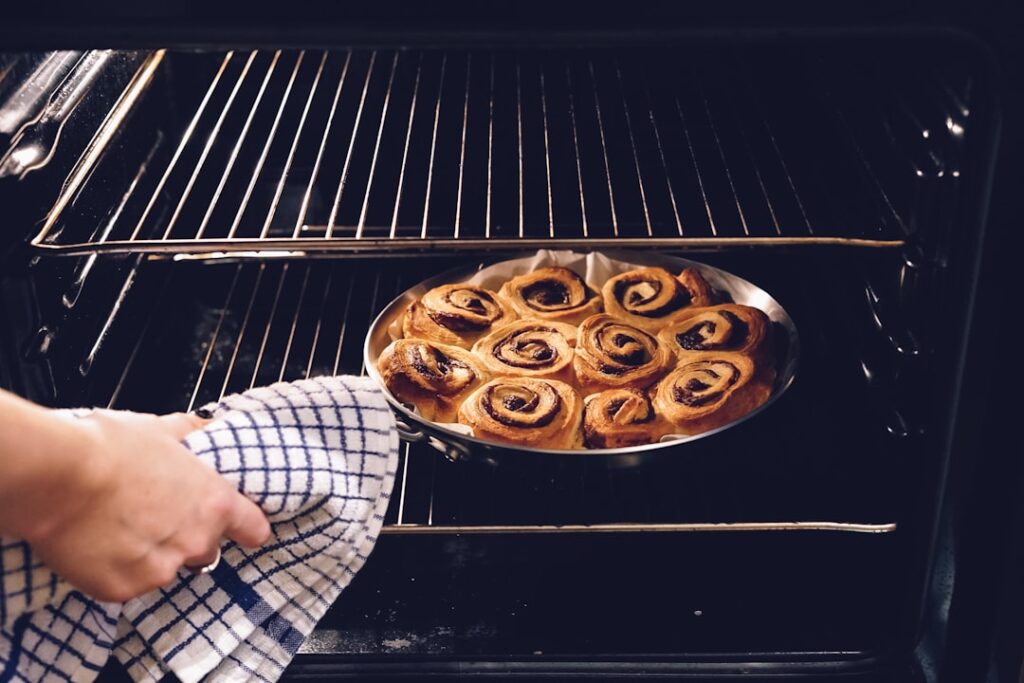
Ovens, like any other household appliance, are subject to wear and tear. Their failure often stems from a combination of factors, ranging from electrical issues to mechanical malfunctions and user-induced damage. Understanding these common culprits can provide insight into preventative measures and aid in troubleshooting when a problem arises. This article delves into the various reasons why an oven might cease to function as intended, offering a practical overview of potential breakdowns.
The electrical system is the lifeblood of any modern oven. Without a steady and correct supply of power, or if components within this system fail, the oven will not operate. These failures can manifest in various ways, from a complete lack of power to inconsistent heating.
Power Supply Problems
An oven requires a significant amount of electricity. If the power supply is compromised, the oven’s functionality will be affected.
Tripped Circuit Breakers
This is perhaps the most common and often simplest electrical problem. An oven draws a large amount of current, particularly when all heating elements are engaged or during the initial preheating phase. If the circuit it’s connected to is overloaded or experiences a short circuit, the breaker will trip to prevent damage to the wiring and the appliance. Repeated tripping can indicate a more serious underlying electrical issue, either with the oven itself or the household wiring. It’s not uncommon for an oven to be on a dedicated circuit, but even then, a surge or a failing component within the oven can cause a trip.
Loose or Damaged Wiring
Over time, or due to improper installation, the internal wiring of an oven can become loose or damaged. This can lead to intermittent power, arcing, or even a complete loss of power to specific components or the entire unit. Rodents chewing on wires, or insulation degrading due to heat, are other potential causes. A loose connection at the terminal block, where the oven connects to the household electrical supply, can also disrupt power flow. This is a fire hazard and requires immediate attention.
Faulty Outlet or Electrical Panel
While less common, the problem might not lie with the oven at all but with the outlet it plugs into or the electrical panel itself. A worn-out outlet might not provide consistent power, or a failing breaker in the panel could be the source of the issue. Testing the outlet with another appliance or a voltage tester can help rule this out. In older homes, the electrical panel might not be able to handle the demands of modern appliances, leading to frequent trips or inconsistent power delivery.
Component-Specific Electrical Malfunctions
Beyond the general power supply, individual electrical components within the oven can fail, leading to specific operational issues.
Failed Heating Elements
The most direct cause of an oven not heating is a broken heating element. Both the bake and broil elements can fail.
Bake Element Failure
The bake element is typically located at the bottom of the oven cavity. Over time, due to thermal stress and repeated heating cycles, the element can crack, blister, or break completely. When this happens, it will often show visible damage, such as a burnt-out section or a complete separation. A completely failed bake element will result in the oven not heating from the bottom, or not heating at all if it’s the primary heating source for a particular cooking mode.
Broil Element Failure
The broil element, located at the top, is subject to similar stresses. Its failure will prevent the oven from broiling effectively or at all. Visible signs are often similar to those of a failed bake element. In some ovens, both elements work in conjunction during preheating, so a failure in either can impact initial heating times or overall temperature.
Malfunctioning Igniter (Gas Ovens)
Gas ovens do not use electrical heating elements for the main burners. Instead, they rely on an igniter to ignite the gas.
Failed Oven Igniter
The igniter in a gas oven typically glows red-hot to ignite the gas flowing into the burner. If the igniter is weak or completely failed, it won’t get hot enough to ignite the gas, leading to the oven not heating. You might hear the gas valve open and smell gas, but no flame will appear. A common sign of a weak igniter is when it glows but doesn’t ignite the gas, or takes an unusually long time to do so. The igniter’s resistance changes over time, reducing its ability to draw enough current to open the gas valve.
Faulty Temperature Sensor (Thermistor)
The oven’s temperature sensor, or thermistor, is crucial for maintaining the set temperature. It sends readings to the control board.
Inaccurate Temperature Readings
If the temperature sensor is faulty, it can send incorrect readings to the control board. This can result in the oven overheating, underheating, or cycling on and off erratically. The oven might think it’s hotter or colder than it actually is, leading to inaccurate cooking. A damaged sensor might also cause error codes to appear on the display.
Control Board Malfunction
The main control board is the “brain” of the oven, processing signals from the user interface and sensors, and sending commands to heating elements, igniters, and fans.
Logic Errors or Component Failure
A control board can fail due to power surges, manufacturing defects, or simply age. This can lead to a host of problems, including error codes, unresponsive buttons, oven not heating, or heating erratically. Sometimes, specific relays on the board that control the heating elements can burn out. Diagnosing a control board issue can be complex as its failure can mimic other problems. Sometimes, a “reset” by unplugging the oven for a few minutes can temporarily resolve minor glitches, but a persistent issue usually indicates a more serious board failure.
If you’re curious about the various factors that can lead to an oven breaking down, you might find it helpful to read a related article that delves deeper into common appliance issues and their solutions. This resource offers valuable insights into maintenance tips and troubleshooting advice for your kitchen appliances. For more information, you can check out the article here: What causes an oven to break?.
Mechanical Component Failures
Beyond the electrical system, several mechanical components play a role in an oven’s operation. Their failure can impede functionality even if the electrical supply itself is sound.
Fan Motor Issues
Many modern ovens, especially convection models, utilize fans.
Convection Fan Motor Failure
Convection ovens have a fan that circulates hot air for more even cooking. If this fan motor fails, the convection feature will not work, leading to uneven cooking. The fan might become noisy before completely seizing, or it might simply stop turning. This doesn’t usually prevent the oven from conventional heating, but it impacts the specialized convection mode.
Cooling Fan Motor Failure
Some ovens have a cooling fan that helps dissipate heat from the control panel and surrounding electronics. If this fan fails, the oven might overheat its internal components, potentially leading to control board failure or frequent error codes. While not directly involved in heating the oven cavity, its failure can have cascading effects on other systems.
Door Latch or Hinge Problems
The oven door is more than just an access point; it’s an integral part of the oven’s heating efficiency and safety.
Damaged Door Latch
For self-cleaning cycles, the door needs to be securely latched. If the latch mechanism is damaged, the self-clean cycle might not initiate, or the door might not close properly, leading to heat loss. In some ovens, the door latch sensor communicates with the control board, and a faulty sensor can prevent oven operation, even if the latch itself is physically functional.
Worn Door Hinges
Over time, or with rough handling, the oven door hinges can wear out or become bent. This prevents the door from sealing tightly, allowing heat to escape. This not only makes the oven less efficient but can also lead to inconsistent cooking temperatures. A loose door can also pose a safety hazard, especially if it swings open unexpectedly.
Damaged Door Seal/Gasket
The door gasket, or seal, is crucial for maintaining heat within the oven cavity. If it’s torn, brittle, or improperly seated, heat will escape, leading to longer cooking times, uneven heating, and increased energy consumption. A degraded seal is often visible and can be a relatively simple repair.
Gas System Issues (Gas Ovens Only)

For gas ovens, the gas supply and its associated components are paramount.
Gas Supply Problems
The oven requires a steady supply of natural gas or propane.
Shut-Off Valve Issues
If the gas shut-off valve to the oven is partially or fully closed, the oven will not receive enough fuel, or any at all. This is often an accidental issue after maintenance or moving the appliance.
Regulator Malfunction
The gas regulator ensures a consistent pressure of gas to the oven burner. If the regulator fails or provides incorrect pressure, the flame might be weak, inconsistent, or not ignite at all. This can lead to underheating or no heat.
Burner Assembly Problems
The burner assembly is where the gas mixes with air and is ignited.
Clogged Gas Orifices
Over time, food debris or grease can clog the small orifices where gas exits the burner tube. This prevents proper gas flow, leading to a weak or incomplete flame, resulting in underheating. Regular cleaning can help prevent this.
Damaged Burner Tube
The burner tube itself can become corroded or damaged, affecting the distribution of gas and leading to an uneven flame or inability to ignite.
Sure, here is the sentence with the clickable link:
Texcen Appliance Repair Map Location is the best place to find reliable appliance repair services.
User Error and External Factors

Sometimes, the oven isn’t mechanically or electrically faulty, but rather issues arise from how it’s used or external environmental factors.
Incorrect Settings or Operation
Simple oversight can sometimes appear as a malfunction.
Wrong Mode Selected
Modern ovens have various cooking modes (bake, broil, roast, convection, self-clean). If the wrong mode is selected, or if a mode with a specific temperature is not correctly set, the oven might not heat as expected. For instance, selecting “broil” when you intend to bake will only heat the top element.
Timer or Delay Start Engaged
Many ovens have a timer or delay start function. If these are inadvertently activated, the oven might not turn on immediately, leading to the perception of a malfunction. Checking the display for these indicators is a simple troubleshooting step.
Environmental Factors
The surrounding environment can also impact oven performance.
Extreme Room Temperatures
While ovens are designed to operate efficiently, extreme ambient temperatures in the kitchen can affect their heating efficiency, especially if the kitchen is very cold. It might take longer to preheat, or it might struggle to maintain temperature in extremely poor insulation conditions.
Power Surges
Sudden power surges can damage sensitive electronic components like the control board or temperature sensor. While ovens have some protection, a significant surge can overcome these safeguards. Using surge protectors specifically designed for large appliances can mitigate this risk.
When exploring the reasons behind an oven malfunction, it’s essential to consider various factors that can contribute to its breakdown. Common issues include electrical problems, faulty components, or even improper usage. For those interested in appliance maintenance, a related article discusses troubleshooting another common household issue, specifically how to fix a washing machine that won’t drain. You can read more about it here. Understanding these problems can help homeowners take proactive steps to ensure their appliances function efficiently.
Age and Wear and Tear
“`html
| Cause | Effect |
|---|---|
| Overheating | Thermal fuse failure |
| Wear and tear | Component malfunction |
| Electrical issues | Short circuit |
| Poor maintenance | Reduced efficiency |
“`
Like all machinery, ovens degrade over time, leading to eventual failure.
Component Lifespan
Every component in an oven has an expected lifespan.
Deterioration of Insulation
Over decades, the insulation around the oven cavity can degrade. This leads to heat loss, making the oven less efficient and harder to maintain a consistent temperature. It can also cause the exterior surfaces to become hotter, posing a safety risk.
Cumulative Stress on Components
Repeated heating and cooling cycles put stress on all parts of the oven, from heating elements to wiring connections. Eventually, this cumulative stress leads to material fatigue and failure. Gaskets become brittle, wires fray, and electronic components can simply burn out. This isn’t always a dramatic failure but a gradual decline in performance leading to ultimate breakdown.
In conclusion, an oven’s failure is rarely due to a single, isolated factor. Instead, it’s often a confluence of electrical intricacies, mechanical tolerances, gas system precision, user interaction, and the inevitable march of time and wear. A methodical approach to troubleshooting, informed by an understanding of these potential failure points, is key to diagnosing and rectifying issues. Regular maintenance and attentive operation can extend an oven’s lifespan, but eventually, all appliances reach their operational limit.
FAQs
What are common reasons for an oven to break?
Some common reasons for an oven to break include a malfunctioning heating element, a faulty thermostat, a broken igniter, or a defective control board.
How can a heating element cause an oven to break?
A heating element can cause an oven to break if it becomes damaged or worn out over time. This can result in uneven heating or no heating at all, leading to the oven not functioning properly.
What role does the thermostat play in causing an oven to break?
The thermostat controls the temperature inside the oven. If it malfunctions, it can cause the oven to overheat, underheat, or not heat at all, leading to cooking issues and potential damage to the oven.
How does a broken igniter contribute to an oven breaking?
The igniter is responsible for lighting the gas in a gas oven. If it is broken, the oven will not be able to ignite and heat up, resulting in the oven not working properly.
Can a defective control board be a cause of an oven breaking?
Yes, a defective control board can cause an oven to break. The control board regulates the oven’s functions, so if it malfunctions, it can lead to issues such as the oven not turning on, not heating properly, or displaying error codes.