The shimmer of your stainless steel refrigerator, the quiet hum of your European-made dishwasher, the powerful jets of your spa shower – these are the hallmarks of a well-appointed North Austin home. You invested in quality, in performance, in longevity. Yet, beneath the surface of these sophisticated appliances, an invisible enemy is at work, systematically degrading their effectiveness and shortening their lifespan. This adversary is North Austin’s hard water.
You likely already know, or at least suspect, that North Austin water is “hard.” But what does that actually mean for your expensive appliances? It’s more than just a nuisance; it’s a fundamental chemical issue.
What is Hard Water?
Hard water refers to water with a high mineral content. Specifically, it contains elevated levels of dissolved minerals, primarily calcium and magnesium ions. As water flows through the ground and picks up these minerals, it becomes increasingly “hard.” When you’re in North Austin, the source water often traverses limestone and chalk deposits, which are rich in these compounds. This natural geological process results in the water supplied to your home having a significantly higher mineral concentration compared to many other regions.
How is Hardness Measured?
Water hardness is typically measured in grains per gallon (gpg) or milligrams per liter (mg/L), which are equivalent to parts per million (ppm). A common classification system for water hardness is as follows:
- Soft: Less than 1 gpg
- Slightly Hard: 1 to 3.5 gpg
- Moderately Hard: 3.5 to 7 gpg
- Hard: 7 to 10.5 gpg
- Very Hard: Greater than 10.5 gpg
North Austin’s water generally falls into the “Moderately Hard” to “Hard” categories, often exceeding 7 gpg, and sometimes approaching or even surpassing 10 gpg depending on the specific well or treatment plant supplying your area. This seemingly abstract number translates directly into the observable detrimental effects you’re likely experiencing.
In addition to understanding the impact of hard water on luxury appliances in North Austin, homeowners may find it beneficial to explore DIY repair options to maintain their appliances effectively. A related article that provides valuable insights on this topic is available at What Are the Best Resources for DIY Appliance Repair Guides?. This resource offers a comprehensive overview of various guides and tips that can help homeowners troubleshoot and repair their appliances, ensuring they remain in optimal condition despite the challenges posed by hard water.
The Mechanics of Destruction: How Hard Water Damages Appliances
The dissolved minerals in hard water don’t just disappear. When water heats up or evaporates, these minerals precipitate out of the solution, forming a solid deposit known as limescale, or scale. This scale is the primary agent of destruction for your luxury appliances.
The Heating Element Predicament
Any appliance that heats water is particularly vulnerable. Your tankless water heater, espresso machine, dishwasher, washing machine, and even your steam oven rely on heating elements.
- Insulation Effect: Limescale adheres to the surface of heating elements, forming an insulating layer. This layer prevents heat from efficiently transferring from the element to the water. Consequently, the element must work harder and longer to achieve the desired temperature, leading to increased energy consumption and premature wear.
- Overheating and Failure: In extreme cases, the insulating scale can cause the heating element itself to overheat. This can lead to the element burning out completely, requiring costly replacement or even appliance replacement.
- Reduced Efficiency: Imagine trying to boil water in a pot coated with a thick layer of rock. It takes longer and uses more energy. The same principle applies here, directly impacting your utility bills.
The Clogging Conundrum
Hard water minerals don’t just stick to heating elements; they can accumulate in narrow pipes, jets, and spray arms.
- Dishwashers: The intricate spray arms and jets in your high-end dishwasher are designed to deliver water at precise angles and pressures. Limescale can partially or completely block these openings, leading to ineffective cleaning, spotty dishes, and ultimately, a compromised wash cycle. You’ll notice your glassware looks cloudy and your cutlery has a dull film.
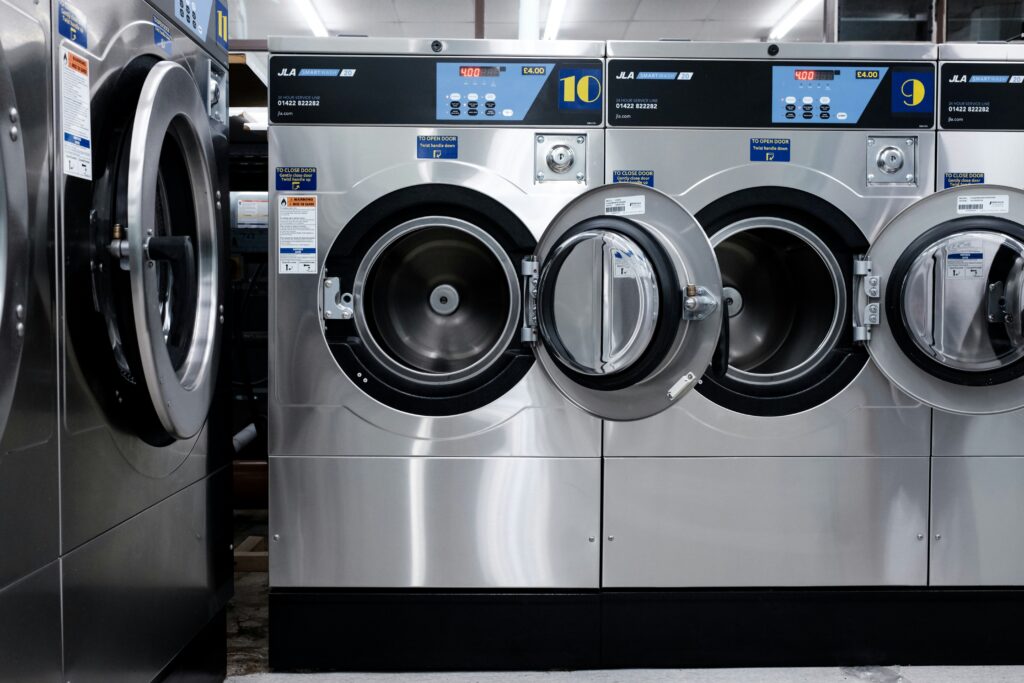
- Washing Machines: Water enters the washing machine through various hoses and sprayers. Mineral deposits can restrict water flow, reduce the effectiveness of detergent, and potentially clog internal components, leading to issues with filling or draining. This affects the cleanliness of your clothes and the efficiency of the machine.
- Shower Systems: If you have a high-end multi-jet shower or a sophisticated steam shower, you’ll observe reduced water flow, uneven spray patterns, and clogged nozzles. The pristine finish of your fixtures can also become caked with white, crusty deposits.
The Corrosion Catalyst
While less direct, hard water can also contribute to corrosion in certain appliance components.
- Galvanic Corrosion: In some instances, the presence of dissolved minerals can accelerate galvanic corrosion when dissimilar metals are in contact within an appliance. The mineral-rich water acts as an electrolyte, facilitating the transfer of electrons and leading to metal degradation.
- Acidic Detergent Interaction: When hard water interacts with certain detergents or cleaners, it can form precipitates that are abrasive or slightly acidic, which, over time, can contribute to the erosion of seals, gaskets, and internal finishes.
The Financial Fallout: Why Hard Water Costs You More

Your initial investment in luxury appliances was significant. The ongoing damage from hard water translates directly into increased operating costs and shortened appliance lifespans, negating much of the value you sought.
Elevated Energy Bills
As discussed, appliances with scaled heating elements consume more energy to perform their functions. Your tankless water heater, which rapidly heats water on demand, will use more electricity or gas. Your dishwasher, washing machine, and even your coffee maker will draw more power. Over months and years, these incremental increases accumulate into substantial additional expenses on your utility bills. You’re effectively paying more to heat less efficiently.
Frequent Repairs and Maintenance
Clogged jets, failing heating elements, and impaired sensors all lead to breakdowns. You will likely find yourself scheduling service calls for your appliances more often than you anticipated. These repairs are not inexpensive, especially when dealing with specialized parts and certified technicians for high-end brands. Each repair not only costs money but also inconvenience, as your essential home functions are disrupted.
Premature Appliance Replacement
The most significant financial impact is the shortened lifespan of your appliances. A luxury dishwasher designed to last 10-15 years might fail in 7-8 due to continuous hard water exposure. A tankless water heater, expected to run for 20 years, could require replacement in 12-15. This means you are back in the market for expensive new appliances much sooner than you should be, effectively doubling or tripling your long-term appliance ownership costs over a typical investment horizon. You didn’t buy a luxury appliance to replace it early, but this is the reality hard water creates.
You can Find in the Google Maps the location of Texcen Appliance Repair by clicking on this link. Find in the Google Maps
Specific Appliance Vulnerabilities in North Austin

Let’s focus on some of those premium appliances in your North Austin home and detail exactly how hard water attacks them.
Dishwashers: The Film and the Failure
Your top-tier dishwasher promises sparkling dishes and quiet operation. Hard water actively undermines both.
- Cloudy Glassware: The most noticeable effect is the white, chalky film on your glassware and silverware, often mistaken for soap residue. This is limescale, etched onto the surfaces.
- Ineffective Cleaning: Blocked spray arms mean uneven water distribution, leaving food particles on dishes.
- Detergent Inefficiency: Hard water minerals react with detergents, reducing their effectiveness. You might find yourself using more detergent to compensate, which further contributes to scale build-up and is uneconomical.
- Pump and Valve Damage: The constant presence of mineral deposits can stress the pumps and valves responsible for water circulation and drainage, leading to premature wear and failure.
Washing Machines: Dull Clothes and Damaged Components
Your high-capacity, energy-efficient washing machine aims to protect your garments and deliver pristine results.
- Dull and Stiff Fabrics: Minerals can adhere to fabric fibers, making clothes feel stiff, appear dull, and even causing colors to fade over time. You’ll notice your carefully curated wardrobe losing its initial luster.
- Reduced Cleaning Power: Similar to dishwashers, hard water reduces the efficacy of laundry detergents, meaning your clothes aren’t getting as clean as they should, even in a high-end machine.
- Increased Wear and Tear: The minerals can create friction within the washing machine’s internal components, leading to accelerated wear on agitators, drums, and seals.
- Dispenser Clogs: Detergent and fabric softener dispensers can become caked with scale and undissolved detergent residue, preventing proper dispensing.
Tankless Water Heaters: The Silent Killer of Efficiency
If you’ve opted for a tankless water heater, you’ve chosen efficiency and endless hot water. Hard water is directly antithetical to both.
- Severe Scaling on Heat Exchangers: The narrow passages of a tankless water heater’s heat exchanger are particularly susceptible to scale buildup. This dramatically reduces heating efficiency, as the water can’t absorb heat effectively.
- Reduced Flow Rates: As scale builds up, the internal diameter of the pipes decreases, leading to a noticeable drop in hot water flow rate. You might find your luxurious rain shower delivering more of a drizzle.
- Frequent Error Codes: The system will detect inefficiencies and blockages, often triggering error codes that require professional intervention to diagnose and descale.
- Shortened Lifespan: While tankless heaters can last for two decades, severe hard water without mitigation can cut that lifespan in half, leading to a very expensive premature replacement.
Espresso Machines and Steam Ovens: Precision vs. Precipitation
These specialized appliances require clean, pure water for optimal performance and taste.
- Espresso Machines: The delicate internal mechanisms, heating elements, and intricate water paths of a high-end espresso machine are easily fouled by scale. This leads to inconsistent pressure, reduced heating, compromised flavor profiles, and eventual breakdown. You’ll taste the difference in your morning brew, and not in a good way.
- Steam Ovens: Steam ovens rely on a precise steam generation system. Limescale can clog the steam nozzles, reduce steam production, and damage the internal boiler or reservoir, leading to uneven cooking and appliance malfunction. The unique benefits of a steam oven are diminished when its core function is undermined.
If you’re concerned about how hard water affects your luxury appliances, you might find it helpful to read an article on washer repair, which discusses the impact of mineral buildup on washing machines. Understanding these issues can help you maintain your appliances better and prolong their lifespan. For more insights, check out this informative piece on washer repair.
The Solution: Protecting Your Investment with Water Softening
| Issue | Impact |
|---|---|
| Hard Water | Buildup of mineral deposits on appliances |
| Appliance Lifespan | Reduced due to mineral buildup |
| Efficiency | Decreased efficiency of appliances |
| Repair Costs | Increased maintenance and repair costs |
Given the aggressive nature of North Austin’s hard water, merely cleaning or descaling periodically is a reactive and often inadequate approach, especially for luxury appliances. A proactive solution is necessary to safeguard your investments.
The Role of a Whole-House Water Softener
Installing a whole-house water softener is the most effective defense against hard water damage. These systems work by removing the calcium and magnesium ions that cause hardness through a process called ion exchange.
- Ion Exchange Explained: Hard water flows through a resin bed charged with sodium ions. The calcium and magnesium ions in the water are attracted to the resin and exchange places with the sodium ions. The result is “soft” water, free of the damaging minerals, which then flows throughout your home.
- Benefits Are Immediate and Pervasive: Once installed, every tap, every shower, and every appliance in your home receives soft water. You’ll notice the difference almost immediately: soap lathers better, clothes feel softer, dishes sparkle, and your skin feels less dry. More importantly, your appliances are no longer being subjected to the constant assault of mineral deposition.
The Long-Term Return on Investment
While a whole-house water softener represents an upfront cost, consider it an insurance policy for your luxury appliances.
- Extended Appliance Lifespan: By eliminating scale buildup, your washing machine, dishwasher, water heater, refrigerator, and other water-using appliances will operate more efficiently and last significantly longer, delaying costly replacements.
- Reduced Energy Consumption: Soft water allows heating elements to perform optimally, leading to lower energy bills for hot water and appliances that heat water.
- Fewer Repairs: With less scale and corrosion, the frequency of appliance breakdowns and the need for professional repairs will decrease.
- Enhanced Performance: Your appliances will function as they were designed – your shower jets will deliver full pressure, your dishwasher will clean effectively, and your espresso machine will produce consistent, high-quality beverages.
Maintenance Considerations
Modern water softeners are largely self-maintaining, but they do require some attention.
- Salt Refills: You will need to periodically add salt (typically sodium chloride pellets) to the brine tank. The frequency depends on your water hardness, water usage, and the size of your softener.
- System Checks: Occasional professional check-ups ensure the system is operating optimally and regenerating effectively.
In North Austin, your high-end appliances are not simply utility items; they are foundational elements of your home’s comfort, efficiency, and aesthetic appeal. Neglecting the pervasive issue of hard water is an oversight that directly undermines your investment. Proactive water softening is not a luxury; it is a pragmatic necessity to ensure the longevity, performance, and financial viability of your refined home environment.
FAQs
1. What is hard water and how does it affect luxury appliances in North Austin?
Hard water is water that contains a high mineral content, particularly calcium and magnesium. When hard water is used in luxury appliances such as dishwashers and washing machines, it can leave behind mineral deposits that can cause damage and reduce the efficiency of the appliances.
2. What are the signs that hard water is affecting luxury appliances?
Signs that hard water is affecting luxury appliances include spots on dishes and glassware, soap scum in the dishwasher, and a decrease in the lifespan and efficiency of appliances such as washing machines and water heaters.
3. How can homeowners in North Austin address the issue of hard water affecting their luxury appliances?
Homeowners in North Austin can address the issue of hard water affecting their luxury appliances by installing a water softener system. This system works to remove the minerals that cause water hardness, preventing damage to appliances and improving the overall quality of water in the home.
4. What are the benefits of using a water softener system in North Austin?
Using a water softener system in North Austin can help to prolong the lifespan of luxury appliances, reduce energy consumption, and improve the effectiveness of soaps and detergents. Additionally, it can lead to cleaner dishes, softer laundry, and reduced maintenance and repair costs for appliances.
5. Are there any other solutions for addressing hard water in North Austin?
In addition to using a water softener system, homeowners in North Austin can also consider using citric acid or vinegar-based cleaning solutions to remove mineral deposits from appliances. However, these solutions may not be as effective as a water softener system in preventing long-term damage caused by hard water.