
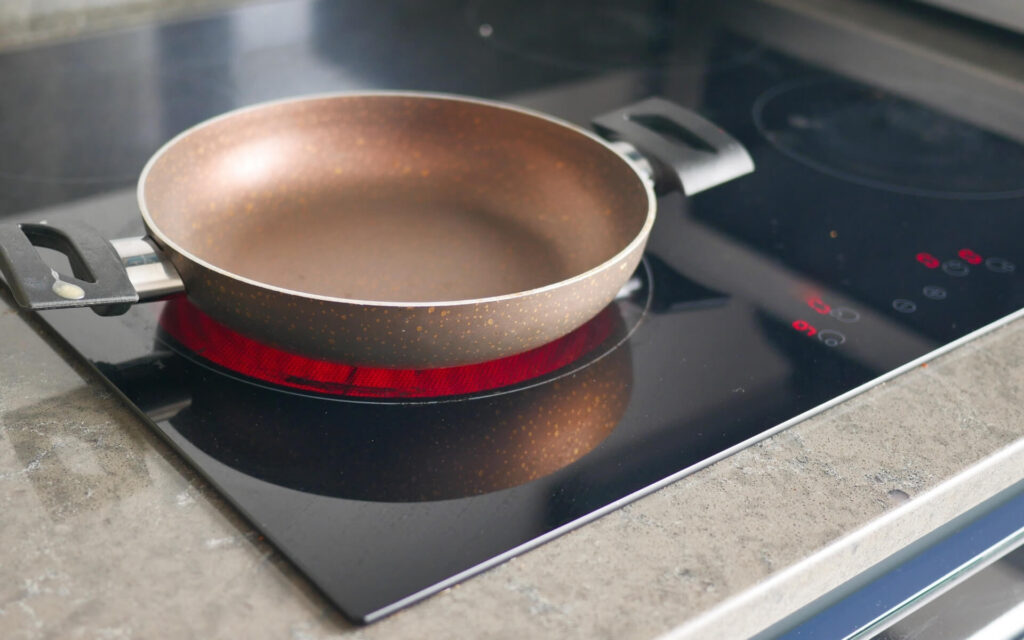
Electric Stove Clicking? Causes, Safe Fixes, and When to Call for Stove Repair in Austin, TX
If your electric stove has started clicking, ticking, or popping, you’re probably wondering whether it’s normal or a sign of something serious. As a stove repair professional here in Austin, TX, I get this call all the time. The honest answer is that a clicking stove is usually trying to tell you something small before it turns into something big.
I’m going to walk you through what I ask customers, what I usually find, what you can safely check yourself, and when it’s time to call for help.
The First Question I Ask: When Does It Click?
When someone calls about a clicking electric stove, the first thing I ask is, “When does it click? Is it when you turn a burner on, while it’s heating, or even when everything is off?”
That one question tells me almost everything. The timing of the click points me toward the cause long before I ever open a toolbox. Here’s how I think about it:
- Clicking when you first turn a burner on often points to a connection issue at the burner or the receptacle.
- Ticking or popping while the stove heats up and cools down often comes from a burner that isn’t seated properly or an element with a worn or loose connection.
- Crackling on a smooth-top can come from a warped pot bottom heating the glass unevenly.
- Rapid click-click-click that keeps going after the burner is off is the one that gets my full attention.
Common Causes of a Clicking Electric Stove
In my experience, most clicking stoves come down to one of a few simple things.
A Burner That Isn’t Seated Properly
On a coil stove, an element that isn’t pushed in snugly or sitting level can tick or pop as it heats and cools. A coil with a worn or loose connection can do the same thing. It’s one of the most common and least expensive problems I see.
A Dirty or Damaged Burner Receptacle
The receptacle is the plug-in point where the burner connects to the stove. When food buildup collects there, or the connection starts to wear, a little arcing can occur and create a sharp clicking sound. That buildup is behind many of the calls I get.
A Warped Pot on a Smooth-Top
If you have a smooth-top range, I’ll ask whether a pot with a warped bottom has been sitting on it. A pot that rocks or doesn’t make flat contact can cause the glass to heat unevenly, and that can crackle or click. Switching to a flat-bottomed pot is a simple fix.
A Loose Wire Connection
Sometimes the clicking comes from inside the stove, where a wire connection has loosened over time. Every time the burner cycles, it can arc a little and make a sharp tick. That brings me to one of the calls I still remember.
A Real Call From South Austin
A woman in South Austin called me about her 12-year-old smooth-top electric range. The stove clicked nonstop whenever she turned a burner on. She was sure the control board had died, and she had already started looking at new ranges online.
When I got there, the clicking was loudest at the back right burner. I could see a faint scorch mark on the terminal block under the glass. A wire connection had loosened over the years, and every time the burner cycled, it was arcing a little and making that sharp tick.
I shut the power off, replaced the burned terminal and the worn wire end, and tightened everything down. Then I tested all four burners. The clicking was gone, and she kept her stove. She was relieved it was a small, inexpensive repair, and she was glad she called before the problem got worse.
I share that story because it’s so common. A scary noise doesn’t always mean an expensive problem, but it does mean the problem deserves a proper diagnosis.
What You Can Safely Check Yourself
Before you call anyone, there are a few easy things you can try. Start by turning everything off and letting the stove cool completely. Then:
- On a coil stove, make sure each element is pushed in snugly and sitting level.
- Wipe away spilled food around the burner and the plug-in area.
- On a smooth-top, check that your pots have flat bottoms and aren’t rocking on the glass.
Sometimes that’s all it takes.
Where to Draw the Line
The line is simple. The moment you would have to take a panel off, touch a wire, or reach behind a burner receptacle, stop. That’s where the real shock and fire risk lives, and it’s the point where a professional should take over.
Mistakes I See All the Time
When people try to fix a clicking stove themselves, these are the mistakes I run into most:
- Spraying cleaner into the burner socket or under the glass
- Pulling out a burner while it’s still warm
- Forcing a loose element back in with too much muscle and cracking the terminal
- Using the stove for weeks with a clicking sound, hoping it will fix itself
That last one is the most costly. By the time some people call, a small loose connection has turned into a burned one.
Warning Signs You Should Never Ignore
Some clicking is minor, but these signs mean you should stop using the stove and call a stove repair professional:
- Clicking that keeps going after the burner is turned off
- A burning or hot smell
- Visible sparks
- A burner that won’t heat
These signs can point to a failing infinite switch or a bad connection, and I never want anyone ignoring them. A stove that still heats is not necessarily a stove that’s fine. Loose connections and worn burner parts can keep working for months while quietly getting worse.
Repair or Replace? My Honest Opinion
Most clicking stoves are worth repairing. If the stove is under about 10 to 12 years old and the problem is a loose connection, a worn burner receptacle, or a bad infinite switch, the fix is usually modest. It often runs somewhere around $100 to $250, including parts and labor. A new range can easily cost $700 to $1,500 or more.
I start to talk about replacement when:
- The stove is 15 years old or older and has multiple problems
- A part is hard to find or the repair cost is getting close to the price of a decent new stove
- There is heat damage to the wiring or the cooktop itself
I never push anyone toward a sale. I lay out the repair cost, tell them how old the stove is and what I’d expect from it going forward, and let them decide. If a repair will give you a few more reliable years, I’ll say so. If I’d be putting good money into a stove that’s on its way out, I’ll say that too. A customer who trusts me will call again.
How to Keep Your Electric Stove Healthy and Quiet
The simplest tip is the one most people never hear. Keep the burner sockets and the area around them clean and dry, and wipe up spills while they’re fresh. That small habit prevents a surprising number of repairs.
Stove Repair in Austin, TX: Call Texcen Appliance Repair
I know how stressful it is when the stove stops working right before dinner, and how much relief people feel when the answer is a small fix instead of a big bill. That’s how we work at Texcen Appliance Repair. If you need stove repair in Austin, TX, we’ll listen to what’s going on, give you an honest answer about repair versus replace, and never pressure you into anything you don’t need.
If your stove is clicking and something doesn’t sound right, give us a call. We’ll help you figure it out before a small problem becomes a bigger one.